
Tirthasarathi Lodh Associate Scientist at ABB GISPL
LATEST PROJECTS






Project | 01
Parallel-Input Series-Output Interleaved Flyback Solar PV Module Integrated
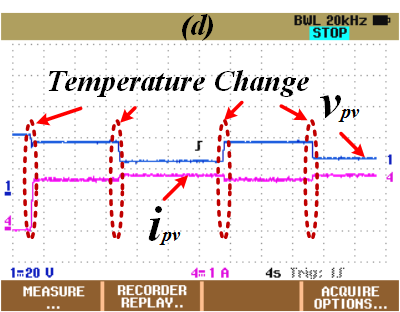
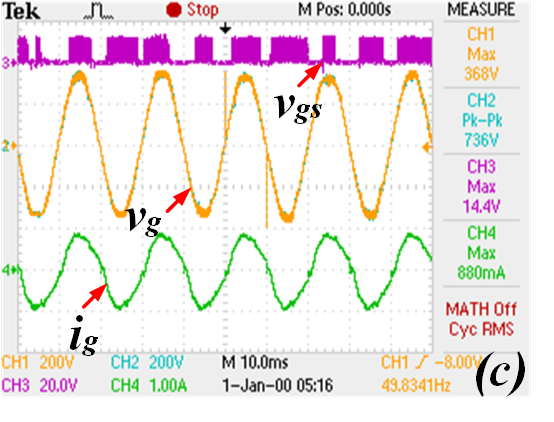
A micro-inverter configuration based on the parallel input, series output interleaved flyback converter has been proposed in this paper which can realize high voltage boosting with high efficiency. For a given voltage gain, transformer turn’s ratio requirement is less compared to the conventional interleaved flyback converter resulting in low leakage inductance. The topology ensures reduced current stresses on primary side switches and low peak inverse voltage across secondary side diodes. The proposed DC-DC converter has been used to derive a grid-connected microinverter topology. The proposed microinverter consists of two circuit stages and it’s made to work with single stage power processing. An innovative control scheme for the proposed microinverter has been derived, which facilitates features like DC to AC conversion to produce low THD grid current with good transient performance. Additional features like MPPT of the PV module and prevention of power injection into the grid under unhealthy conditions are also incorporated. Detailed simulation and experimental studies have been performed on the proposed microinverter to validate its functioning whose results are included.





Project | 02
Novel Control Scheme for Interleaved Flyback Converter Based Solar PV Microinverter to Achieve High Efficiency
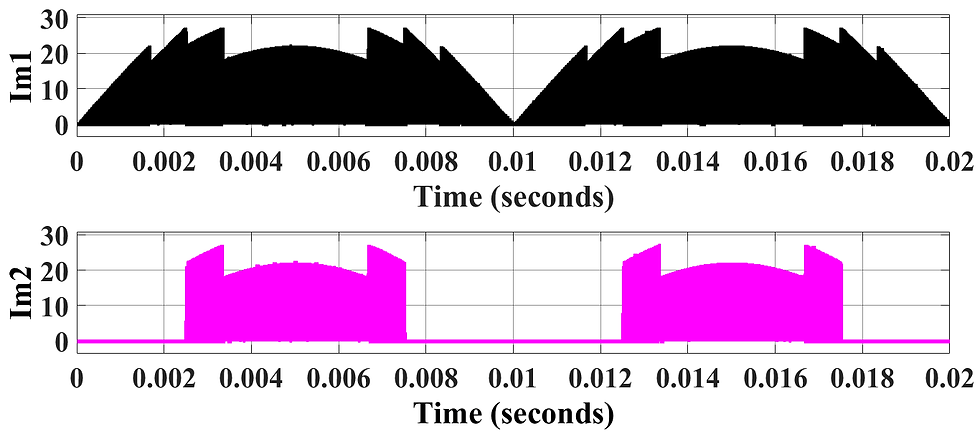
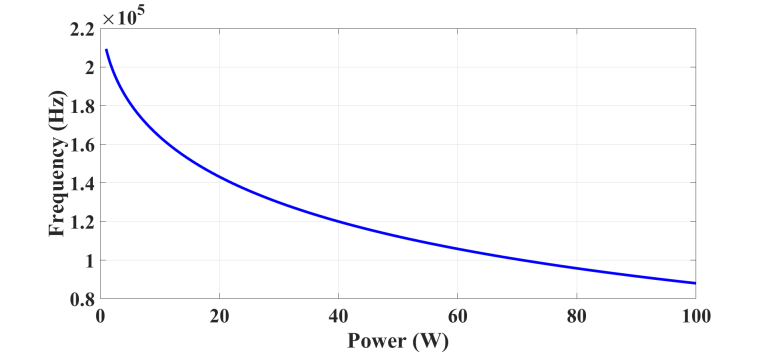
The paper proposes an optimal control strategy for the interleaved flyback based microinverter to improve its efficiency over the entire operating range. This control scheme is based on the choice of appropriate operating mode (1-converter DCM, 1-converter BCM, 2-converter DCM, and 2-converter BCM) at various instantaneous power magnitudes. The proposed control method reduces the fixed losses associated with the gate driver and the transformer at the low power level. It also reduces the switching losses that may result due to the extremely high-frequency operation of the BCM at the low power level. Additionally, it also reduces the conduction losses through low current peak due to BCM and equal current sharing between the two converters at the high power level. Switching losses, due to the low-frequency operation of the BCM at a high power level, are also reduced. Operating mode selection of the interleaved inverter at a particular power level is based on the information of optimal efficiency. Detailed calculations of peak current references have been carried out for the various operating modes of the interleaved flyback based microinverter. Simulation and experimental results have validated that the proposed control method results in better efficiency compared to the conventional (DCM, hybrid DCM/ BCM, hybrid 1-converter/ 2-converter) control methods with the output current THD remaining within the specified limits.











Project | 03
Low-cost Standalone Solar PV Microinverter with Battery Backup and Remote Monitoring for Rural Applications
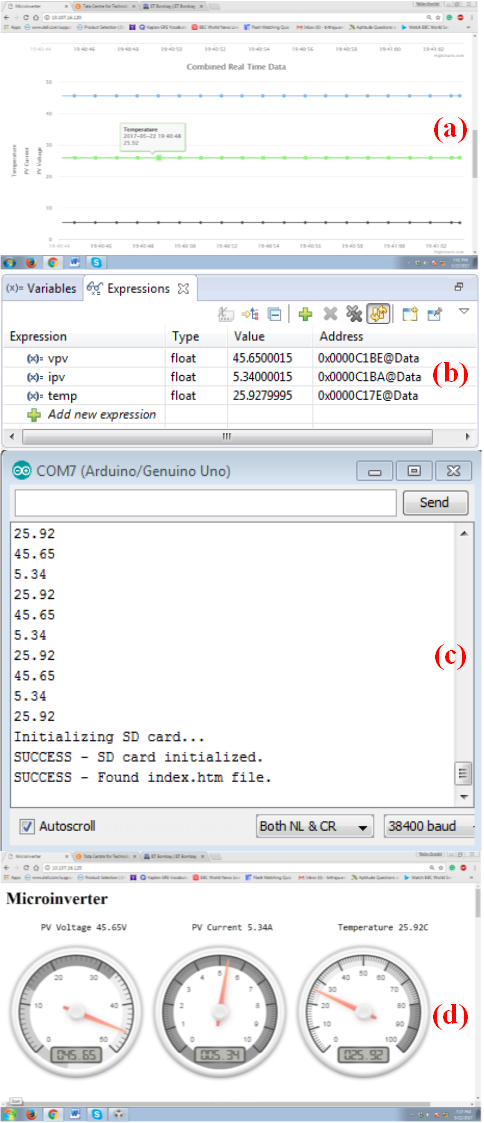
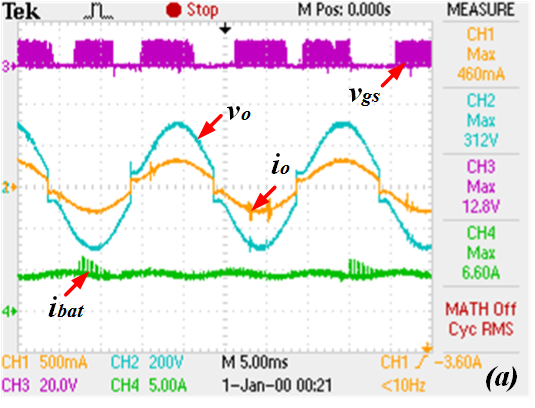
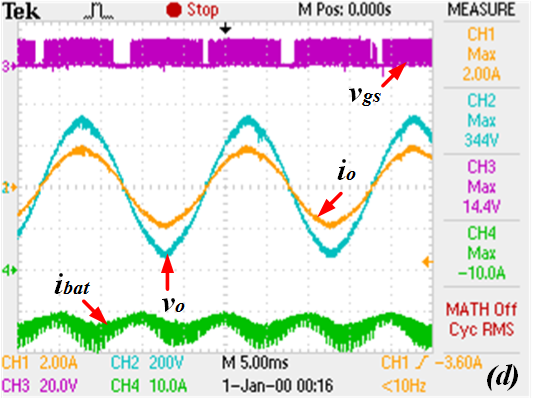
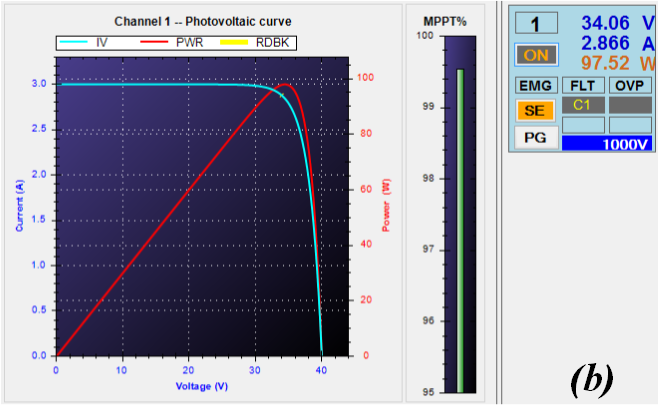
In this paper, a microinverter topology and its control have been proposed for a standalone application. The proposed microinverter provides battery backup and able to supply uninterrupted power to the load during night time also. It can extract maximum power from the solar panel. It can provide power to both 48V DC as well as the 230V AC loads. It allows the use of low-voltage/low-power solar panel by providing sufficient voltage gain. It provides galvanic isolation of the AC load from both PV and battery. It allows the monitoring of its operating conditions from a remote location. All these features make the proposed microinverter configuration immensely helpful for the remote rural locations where the utility grid is not available. System design of the proposed topology and the control method has been done followed by the simulations and the experimental validation through laboratory setup whose results are included in the paper.